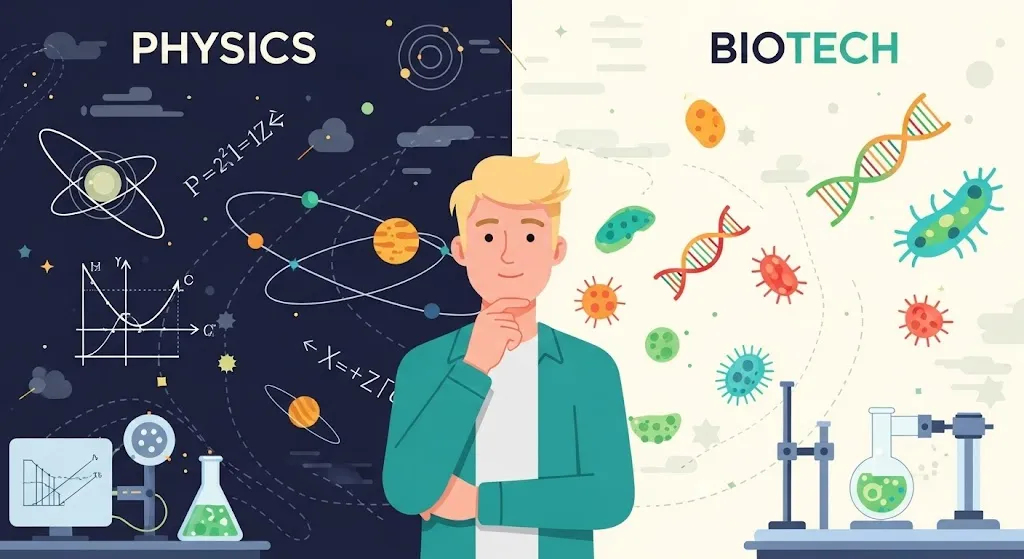
At 16, near the end of my GCSEs, I was trying to decide between two things: physics, which had always been part of my life, and a newer interest in biotechnology and where medicine might be headed.
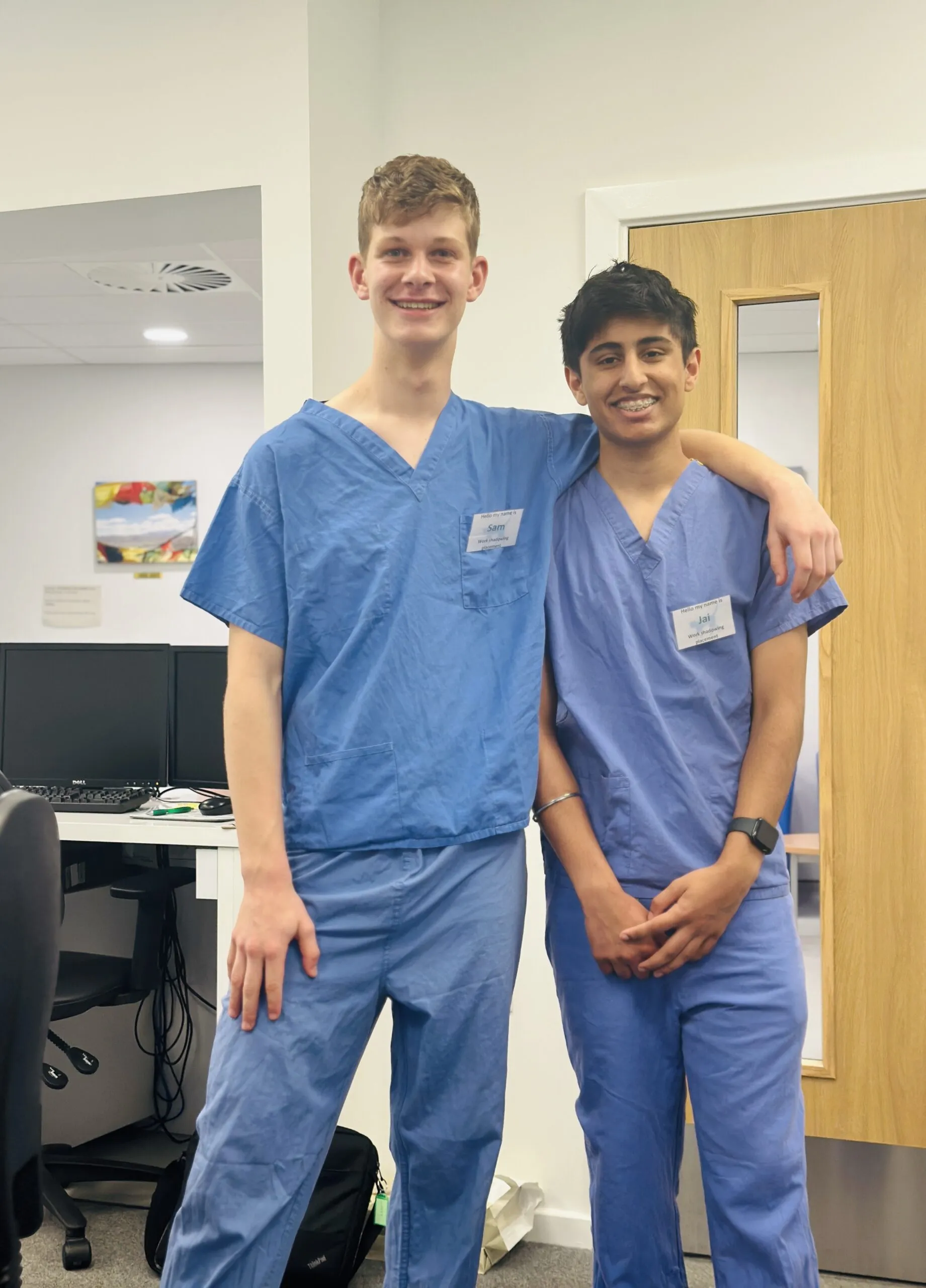
To get a better sense of which way to go, my friend Jai and I arranged a two-week placement at Whittington Health to see how a hospital actually runs, and how research findings turn into patient care.
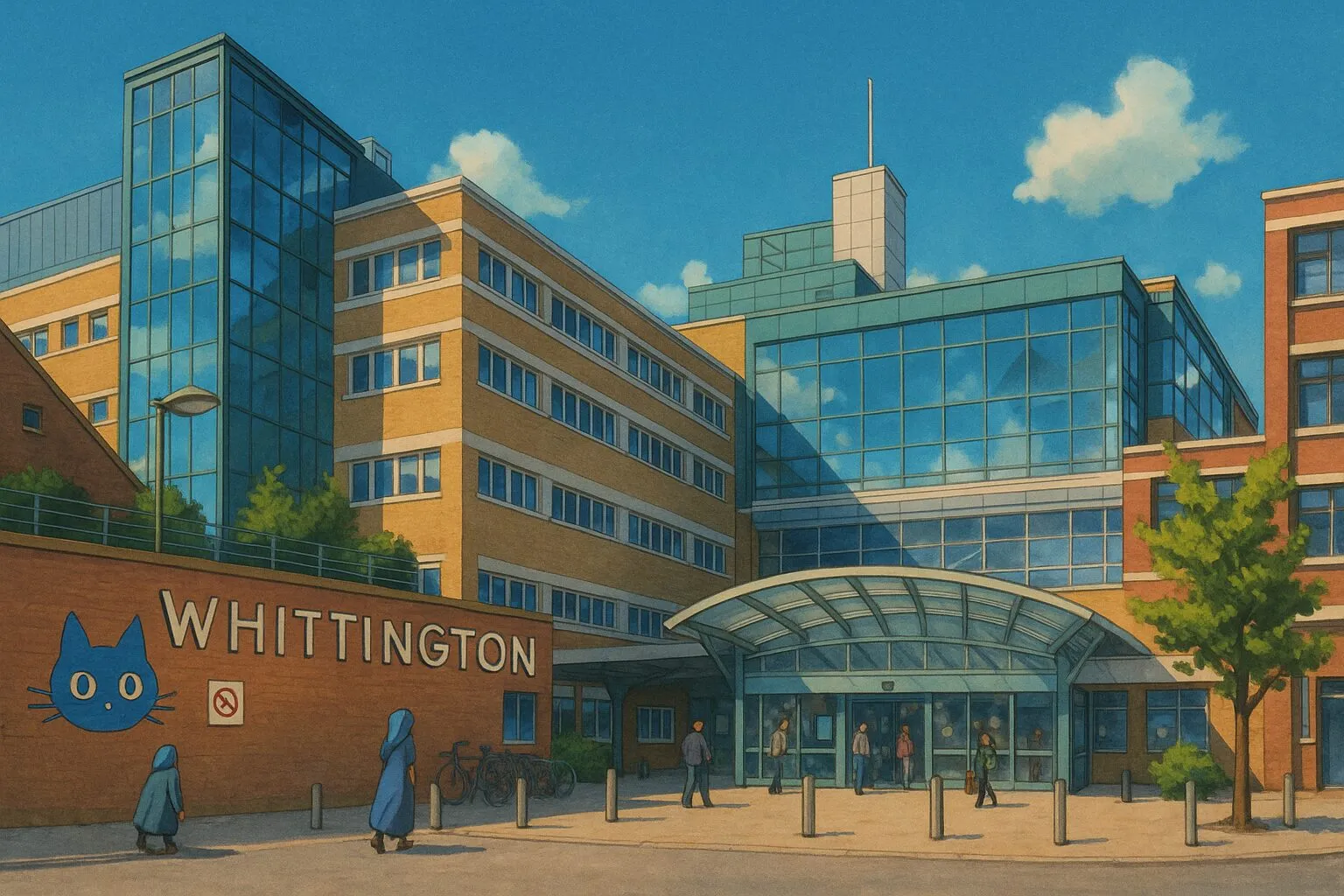
We were based in the Whittington Education Centre (WEC) with our supervisor Pov, and rotated through a wide range of departments: shadowing Security, sitting in on Research and Communications, watching the Emergency Room and Intensive Care Unit at work, sitting in on patient consultations, learning front-of-house processes, helping with fire safety checks, and even working a community outreach roadshow. It gave us a much better sense of how much has to happen behind the scenes to keep a hospital running.
It wasn’t all easy going, though. Opening the WEC by 7:30 AM meant a 5:40 AM alarm most days, a big change from an 8:30 AM school start that used to feel early enough. It gave me a better sense of how demanding NHS work actually is, especially in A&E and ICU, where the staff stayed calm and made fast decisions under a lot of pressure.
We also saw the harder side of frontline healthcare: critical care, surgery, and patients and families in real distress, which takes a level of resilience and empathy I hadn’t fully appreciated before. A briefing from the Security team was a bit of a wake-up call too: they told us that dealing with weapons, including knives and occasionally firearms, wasn’t a rare occurrence for them.
We also picked up some practical skills along the way. I got certified in CPR and defibrillation, did some risk assessment training, learned about patient confidentiality and data protection, and helped out with more random tasks like equipment repairs, social media, and video editing.
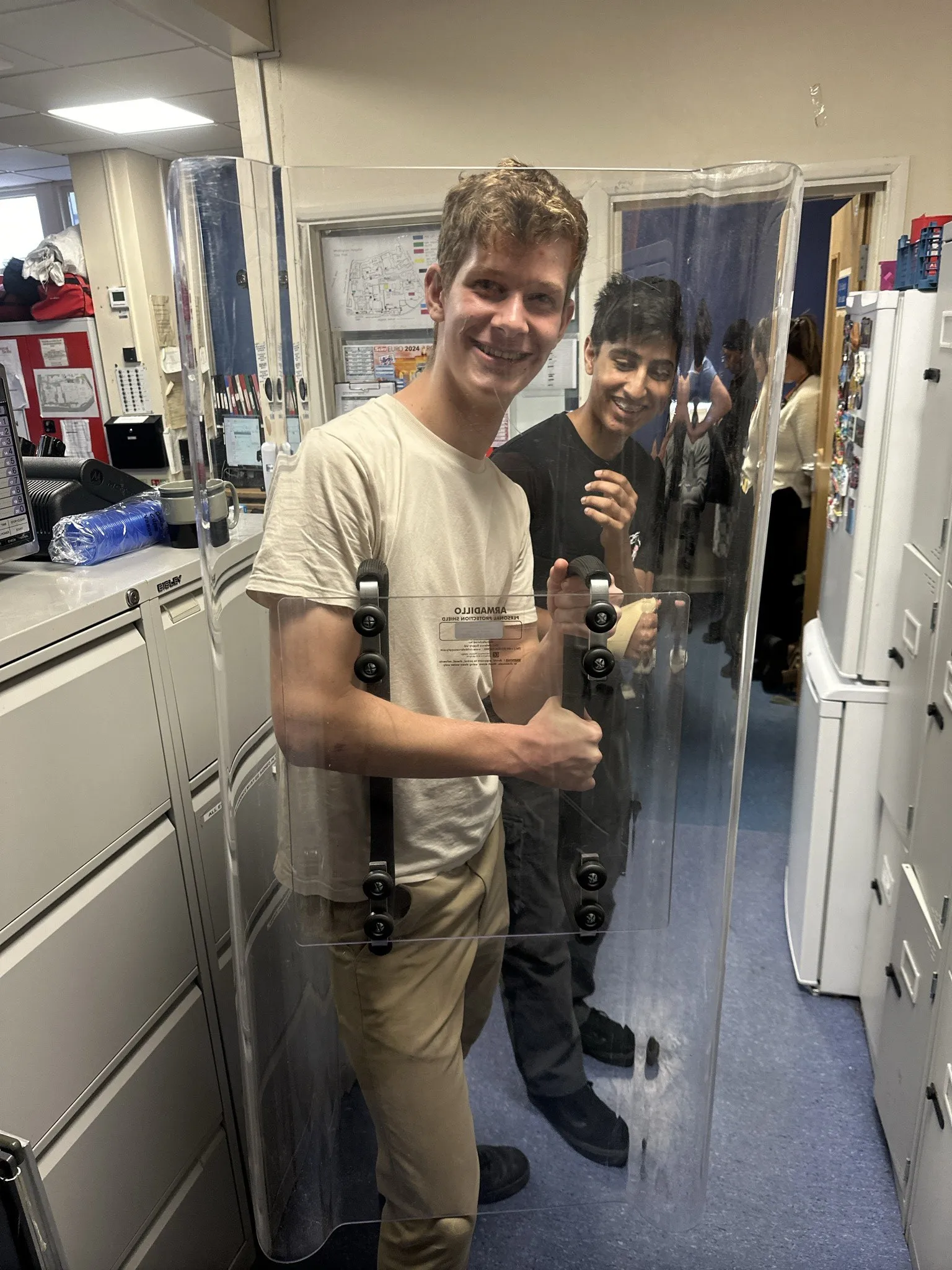
What stuck with me most was how much bigger the NHS is than just doctors and nurses. It’s closer to running a small city, with hundreds of interlocking parts that all have to work at once. We got good feedback and were even asked to stay longer, which was nice to hear. Seeing biotech and research up close made me more interested in it, but by the time I started my A-levels, physics had won out as what I wanted to focus on. Still, the two weeks changed how I think about the NHS and gave me a much better sense of what “real-world” work actually looks like.