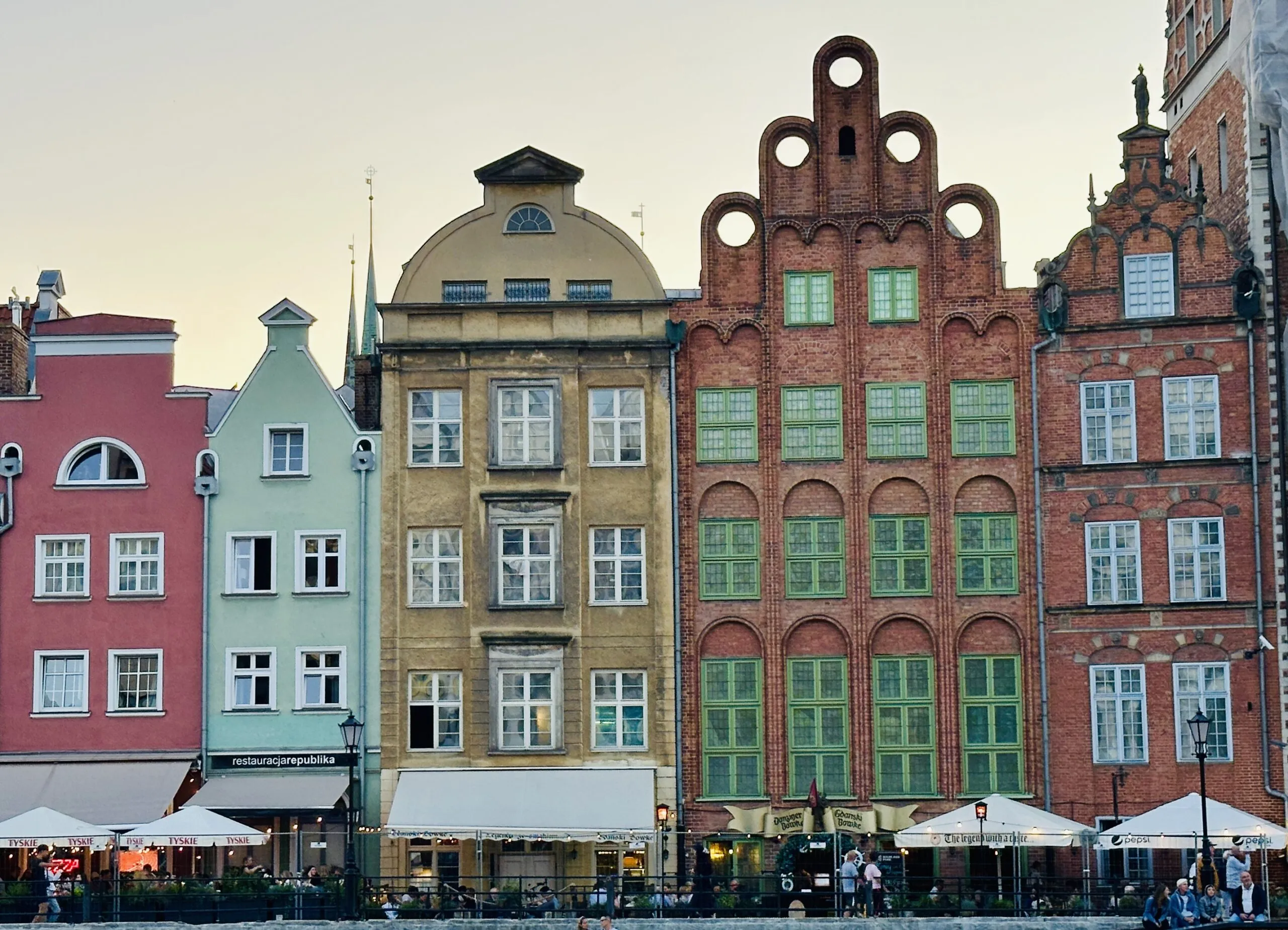
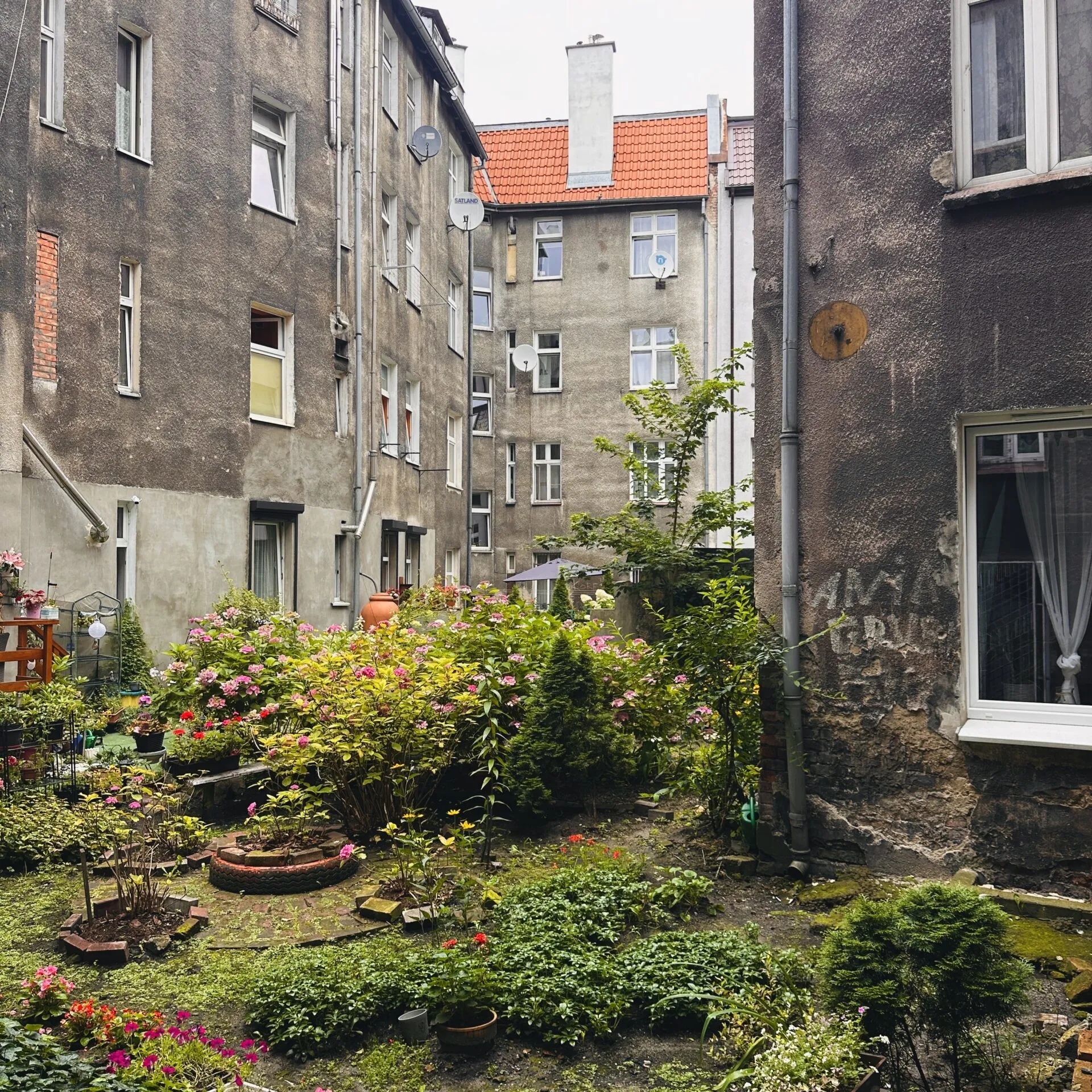
The apartments that were reclaimed by my family after the fall of the Soviet union after a tedious legal process
Introduction#
In the summer of 2024, my Opa (grandad) proposed that I should join him for a trip into Gdansk. While the city is now a site of historic beauty, that attracts millions of tourists a year, hidden beyond the architecturally stunning streets lies a dark tragic history. One that I have a deep connection to.
History of Jews in Gdańsk#
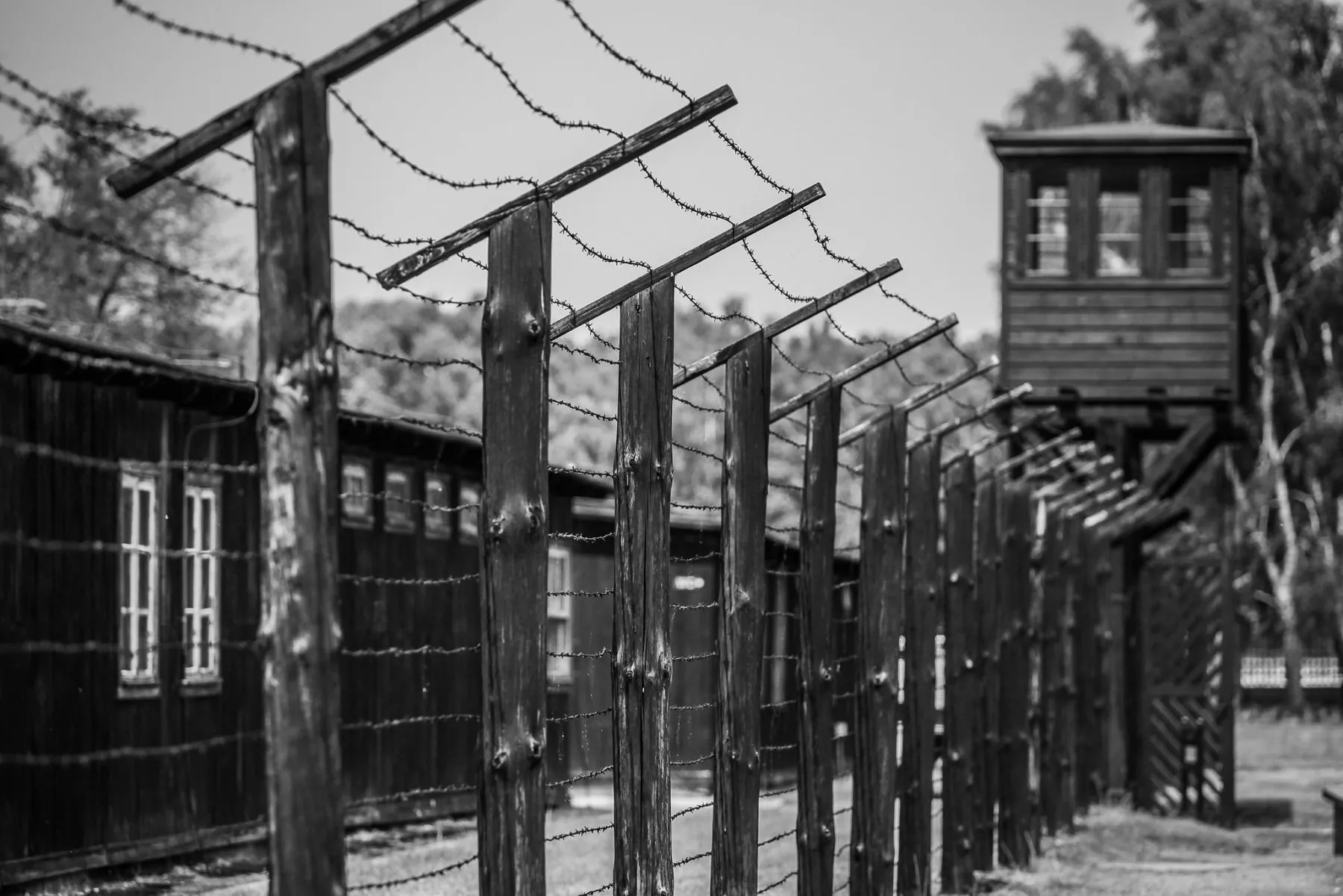
Stutthof, one of the deadliest and most notorious Nazi concentration camps, the site where tens of thousands of Jews met their fates - of which my family were likely amongst
The history of the Jewish community in Gdańsk, or Danzig, began in the 15th century, though for centuries, their presence was tenuous and heavily restricted, a story all to familiar for the Jewish Diaspora. Initially prohibited from settling within the city walls, Jewish merchants and families established organized communities in outlying suburbs, navigating persistent limitations imposed by the city’s semi-autonomous authorities.
Signs of Improvement#
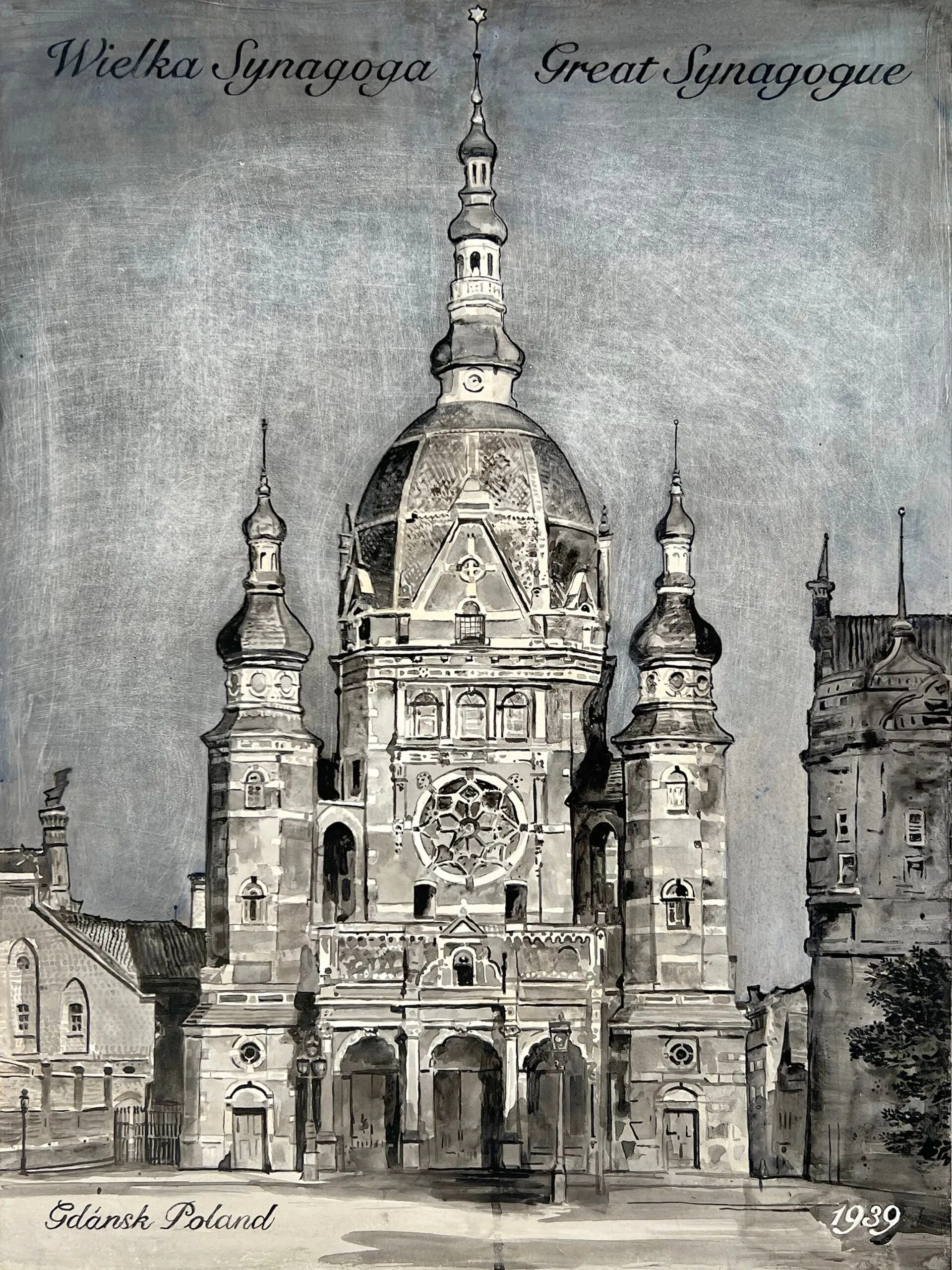
The Great Synagogue, which was demolished in 1939 by the Nazis
Fortunately, the situation dramatically improved following the city’s incorporation into Prussia in 1793. The 19th century ushered in an era of legal emancipation, growth, and assimilation into German culture. This period of stability and prosperity culminated in the official merger of the various suburban Jewish congregations in 1883, and was symbolized by the construction of the Great Synagogue in 1887, which stood as a marker of the community’s civic integration and confidence.
The Holocaust in Gdańsk#
This vibrant Jewish life was tragically extinguished in the 20th century. After Gdańsk became the Free City of Danzig post-World War I, the local Nazi party’s rise to power in 1933 led to immediate and intensifying persecution. Faced with the systematic stripping of their rights and property, the community leadership made the difficult decision to organize the emigration of the majority of its members. This desperate act saved many lives, but the community itself was shattered. The Great Synagogue was demolished in 1939, and the approximately 1,700 Jews who remained were largely murdered during the Holocaust. After the war, Gdańsk became part of Poland, and while a small Jewish community was re-established, it consisted of new arrivals with few ties to the centuries-old Jewish heritage that had been so violently erased.
The Apartment Buildings#
This history is also deeply personal. Tragically, all but one of my family members on the Polish side fell victim to the violent, Nazi-orchestrated persecution, and their fates remain unknown to this day. The lone survivor, my great-grandfather, fled to Israel just in time, on the advice of a friend in the military. Arriving penniless, he enlisted in the British Armed Forces, where he served as a POW officer, a role for which he was well-suited due to his incredible affinity for languages, speaking nine in total.
Following the fall of the Nazi regime and, much later, the collapse of Soviet influence in Poland, Gdańsk was once again declared safe for Jews. This eventually created an opportunity for my family to reclaim property that had been seized by the various regimes. After a series of complex legal processes, the housing complex that once belonged to them was finally returned.
The buildings now lie in a poor state but regeneration projects in the local area lend hope to the eventual restoration of the buildings to their former glory, while offers have been made to buy the estate, the sentimental value of the site far exceeds any potential offers with the buildings remaining as a symbolic reminder of what happened to the Jews of Gdańsk.
The Beauty of Gdańsk#
Despite its dark past, Gdańsk now sits as one of the most beautiful towns in Europe with stunning Baroque architecture on every corner. Below are some of the photographs I successfully captured. I have intentionally kept this section brief as to not detract from the main message of this article.
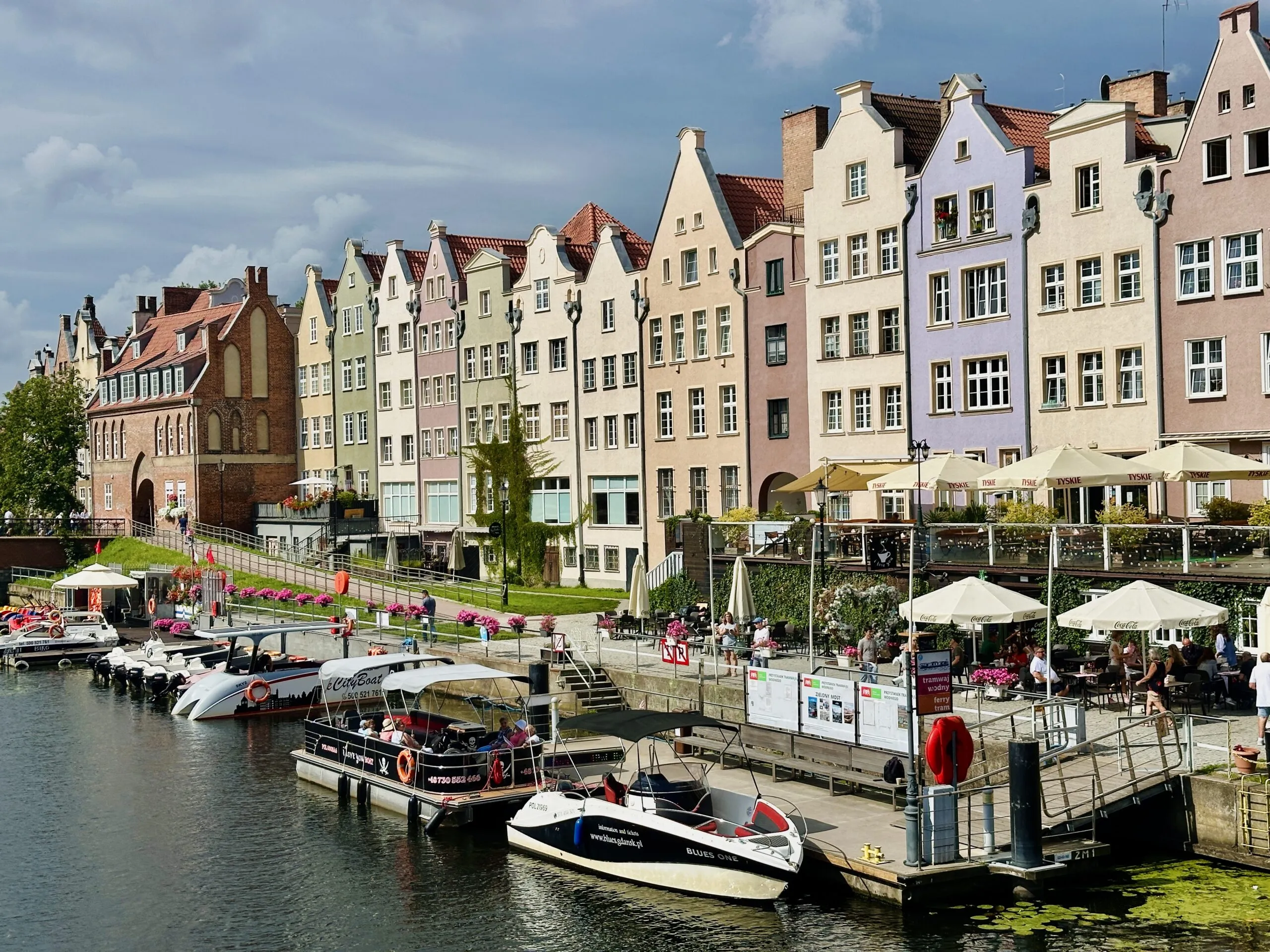
Boats by the river Motlawa
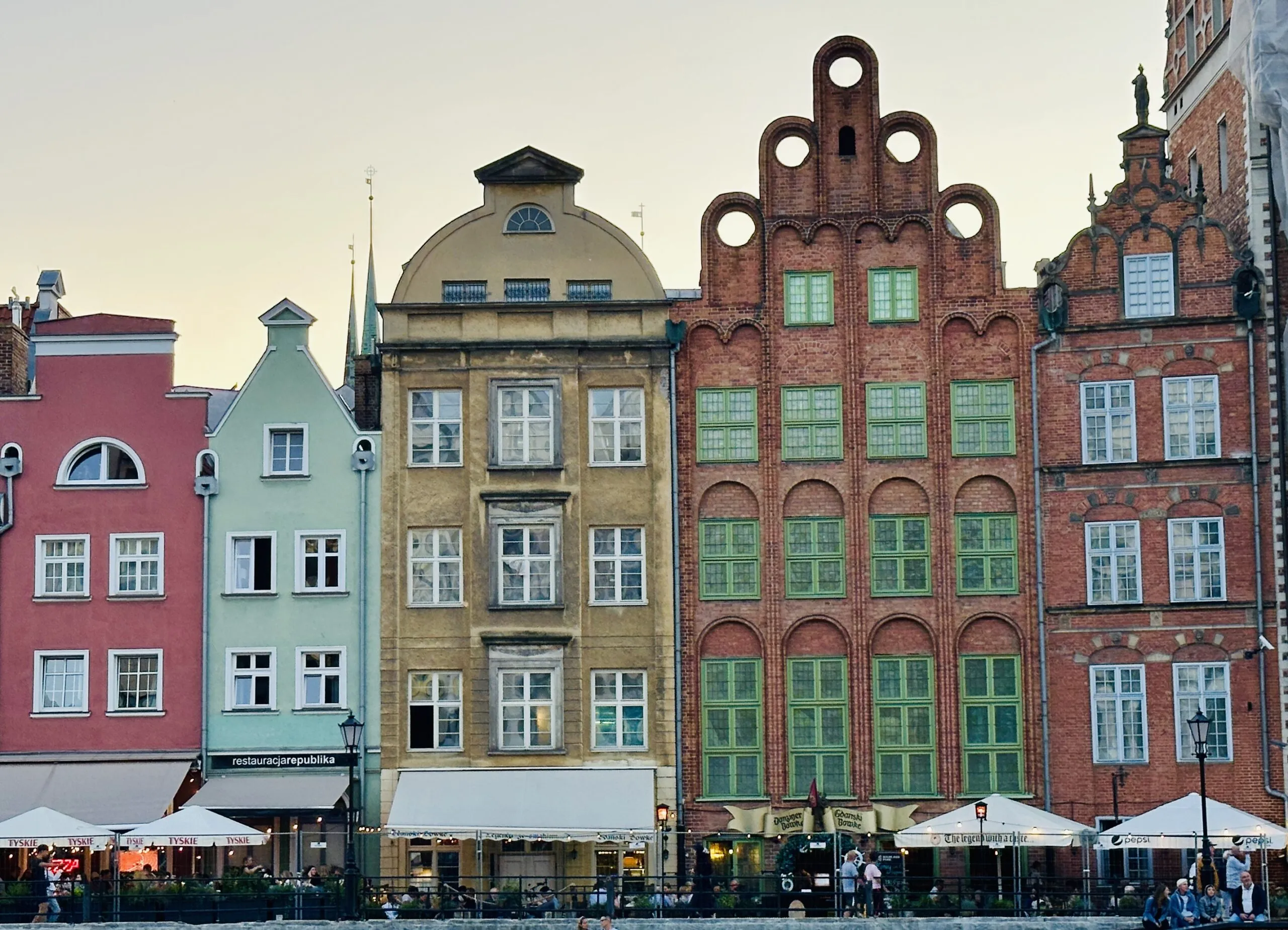
Examples of the stunning Baroque architecture
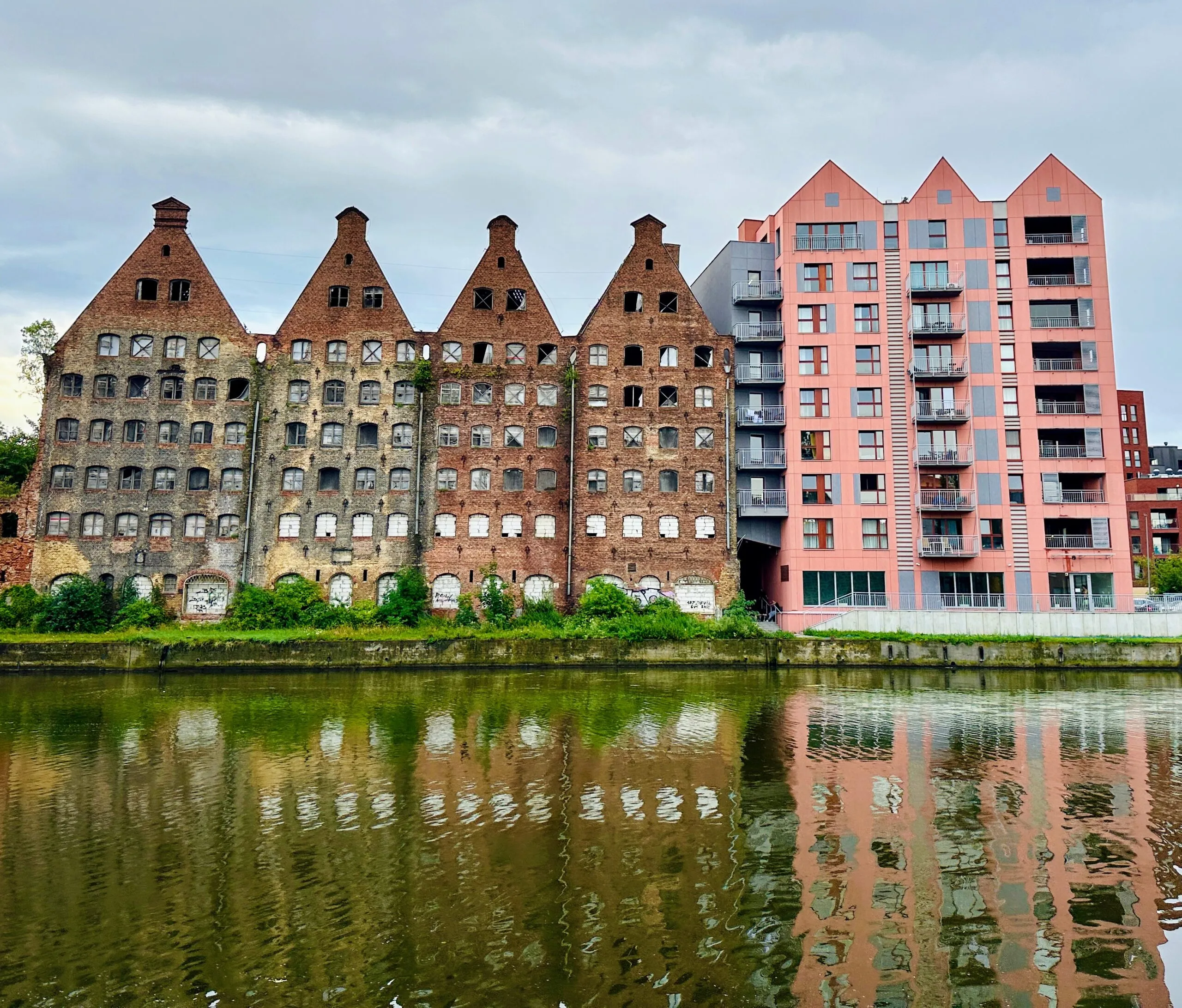
Contrast between the old Gdansk and the new Gdańsk
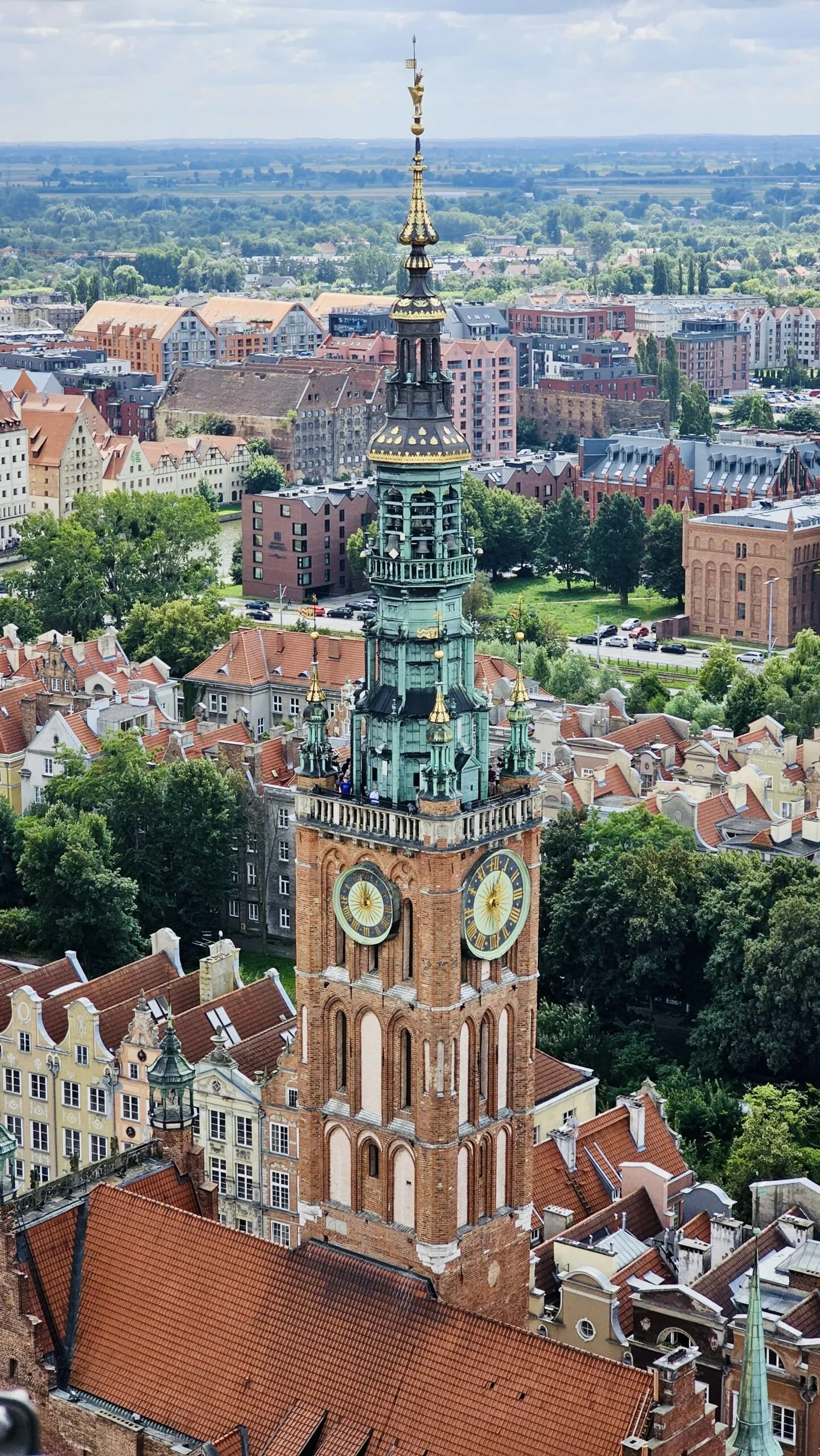
Overlooking the clocktower of the town hall
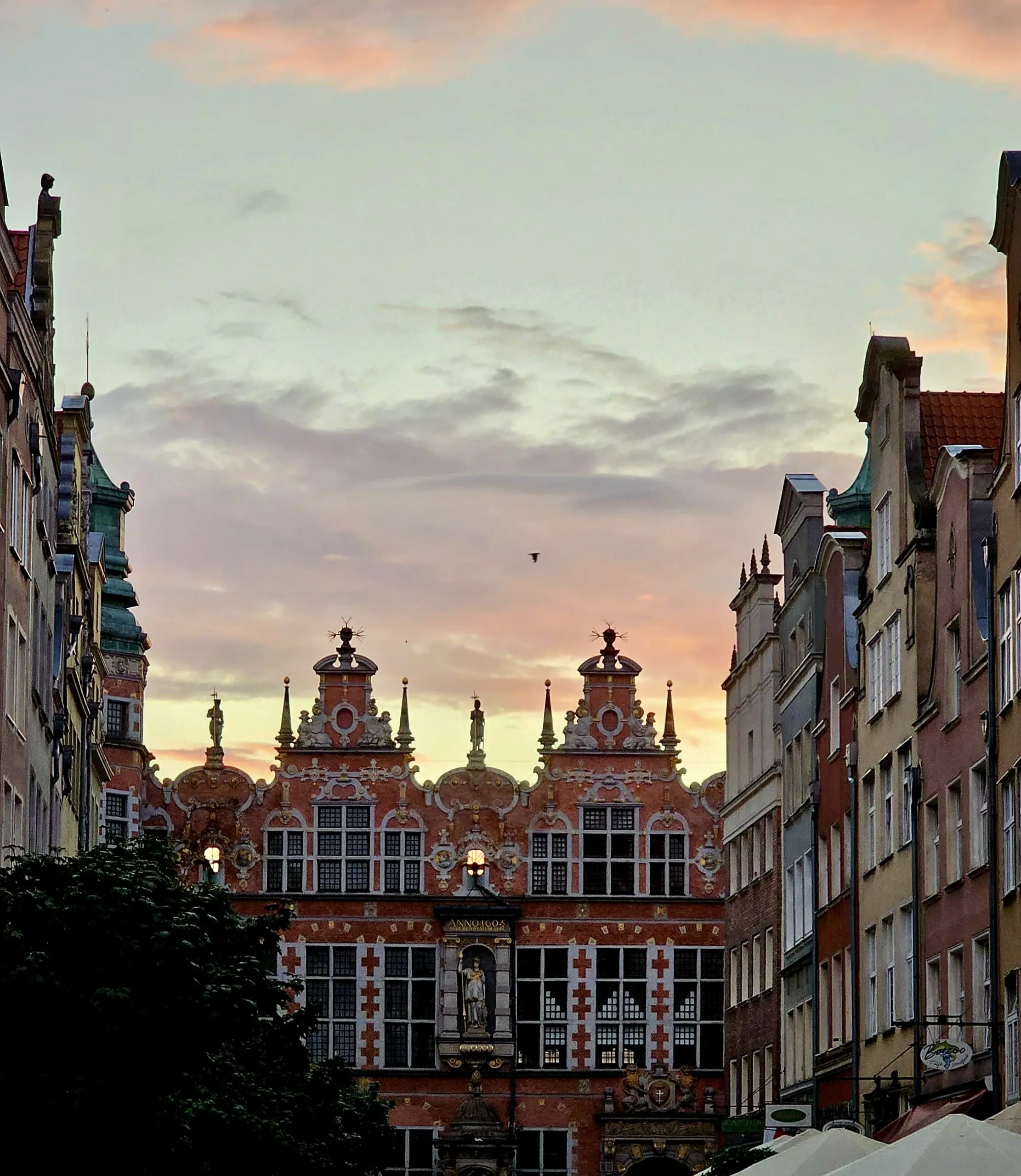
Sun setting over one of the many beautiful buildings
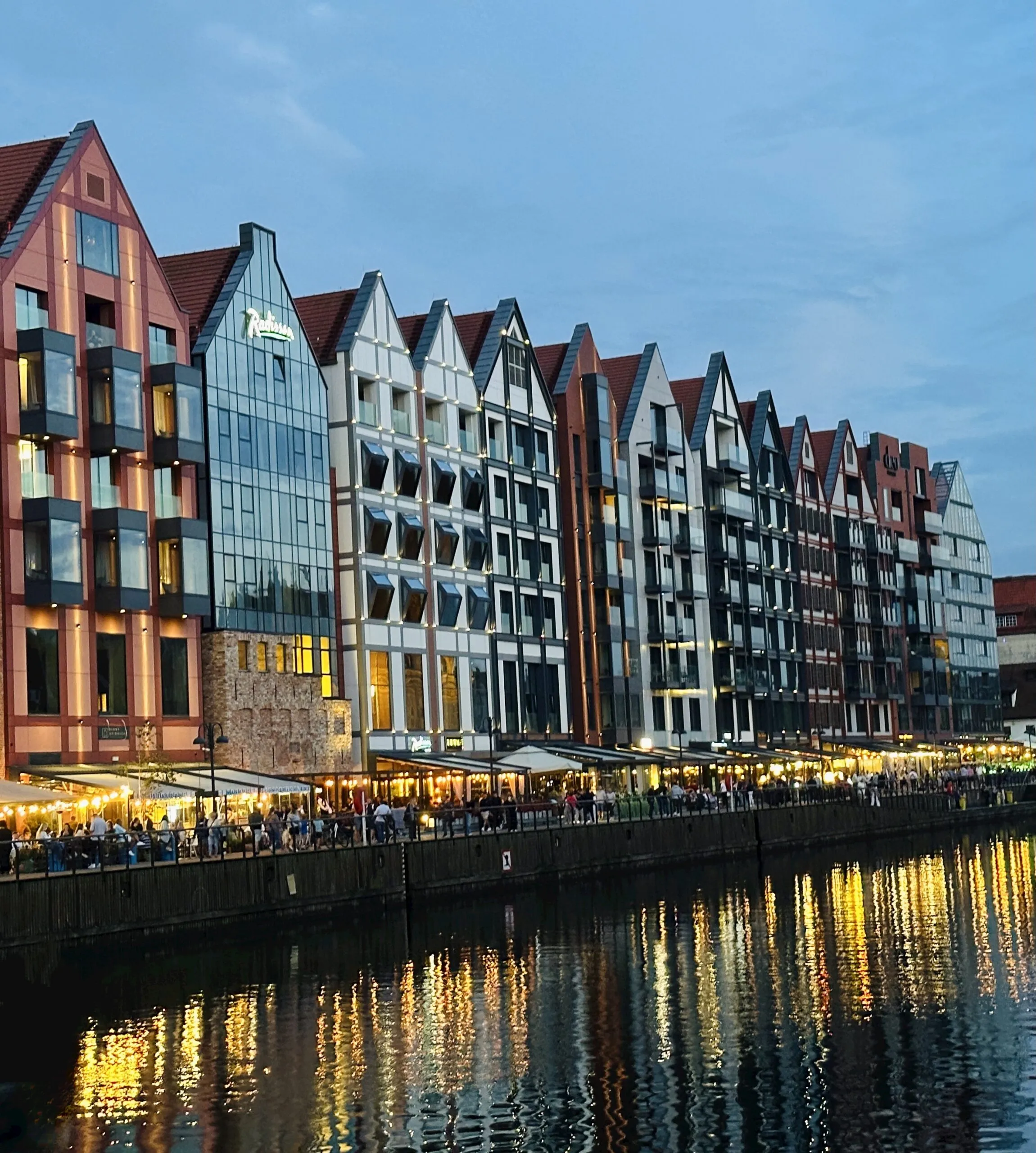
View down the river at night with the bustling riverside restaurants
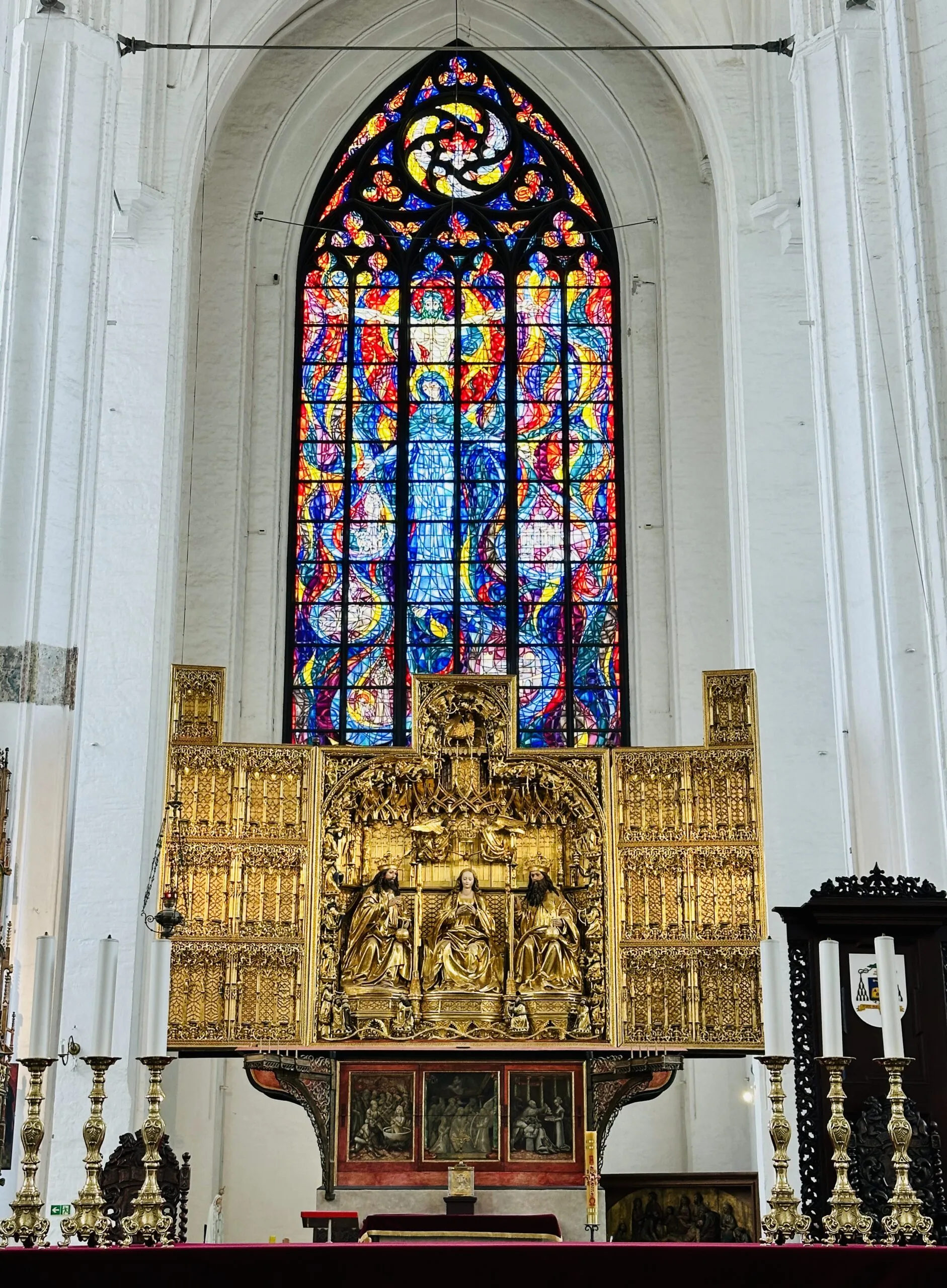
The beautiful stained glass and organ inside St Mary’s
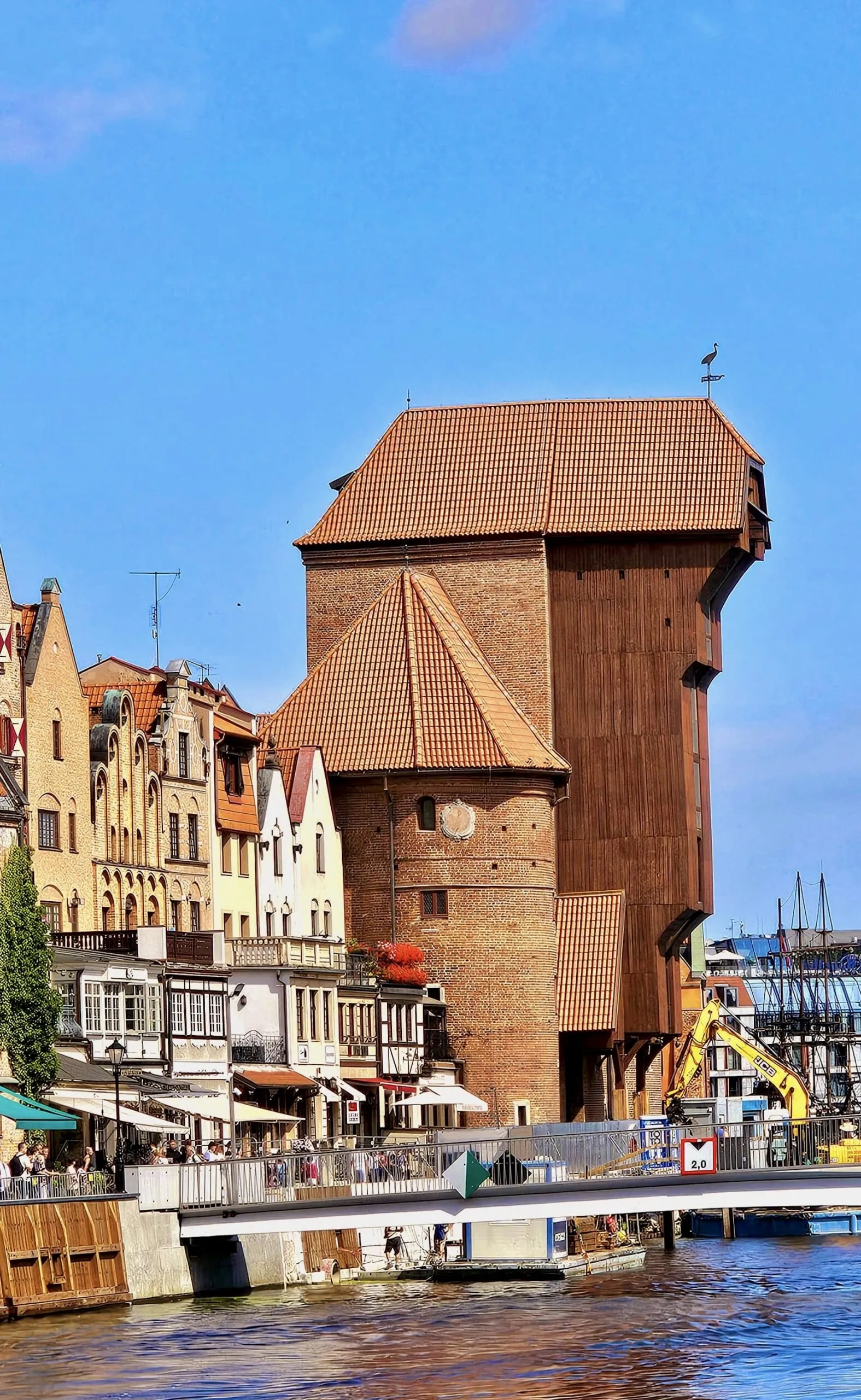
The figure head of Gdańsk: Żuraw or The Crane
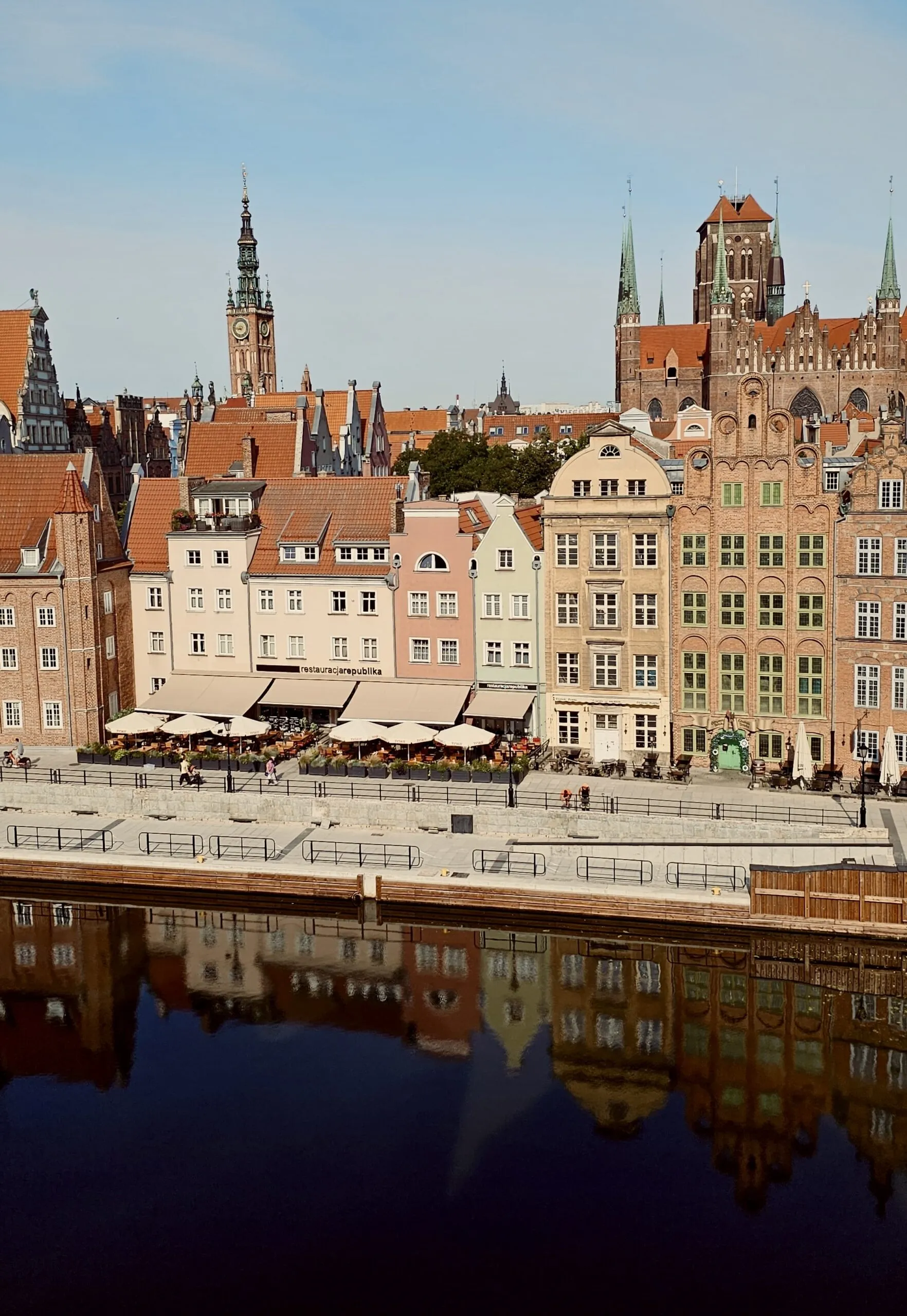
The view from the hotel room in the morning
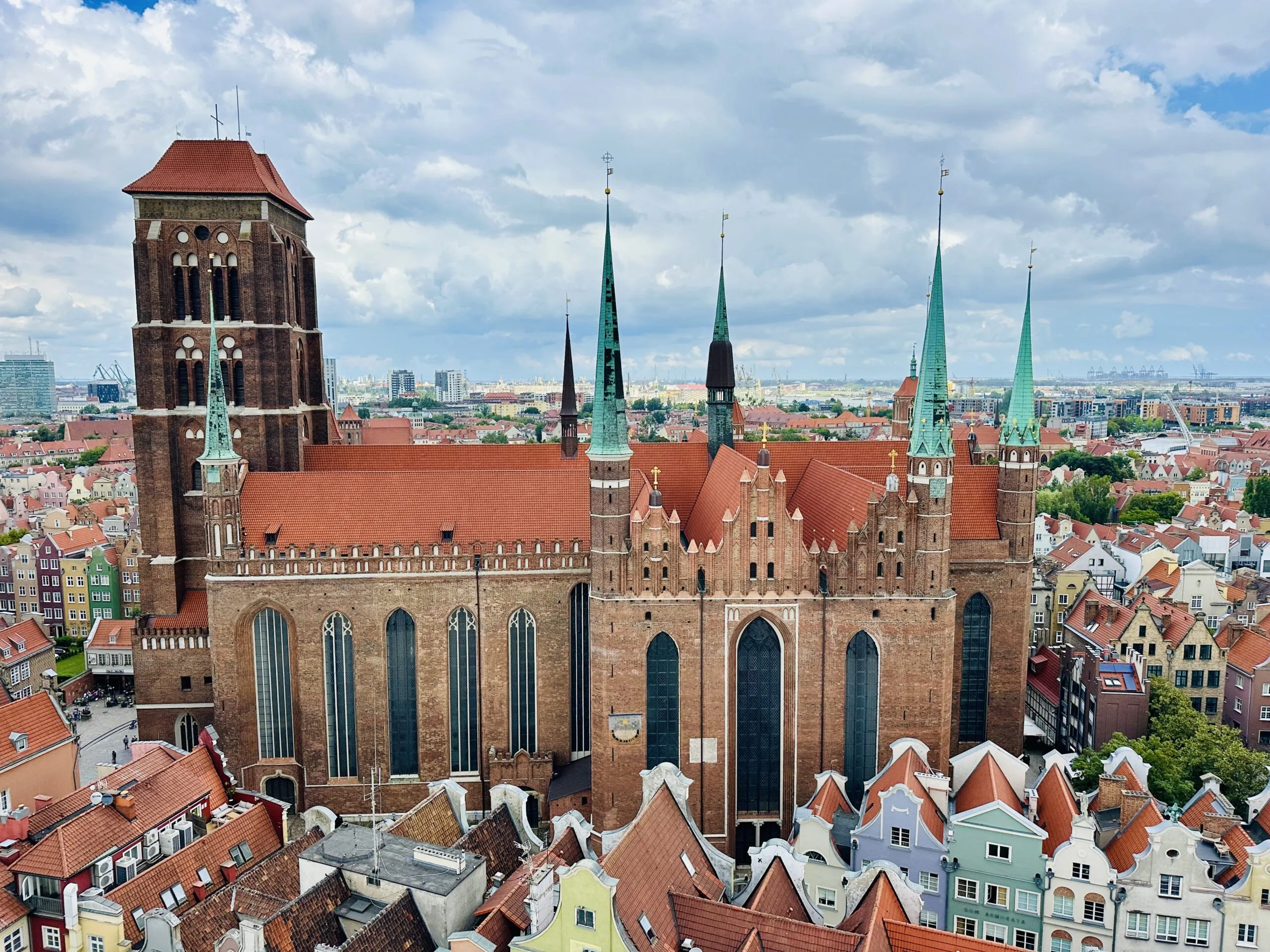
St Mary’s Church; one of the largest in Europe
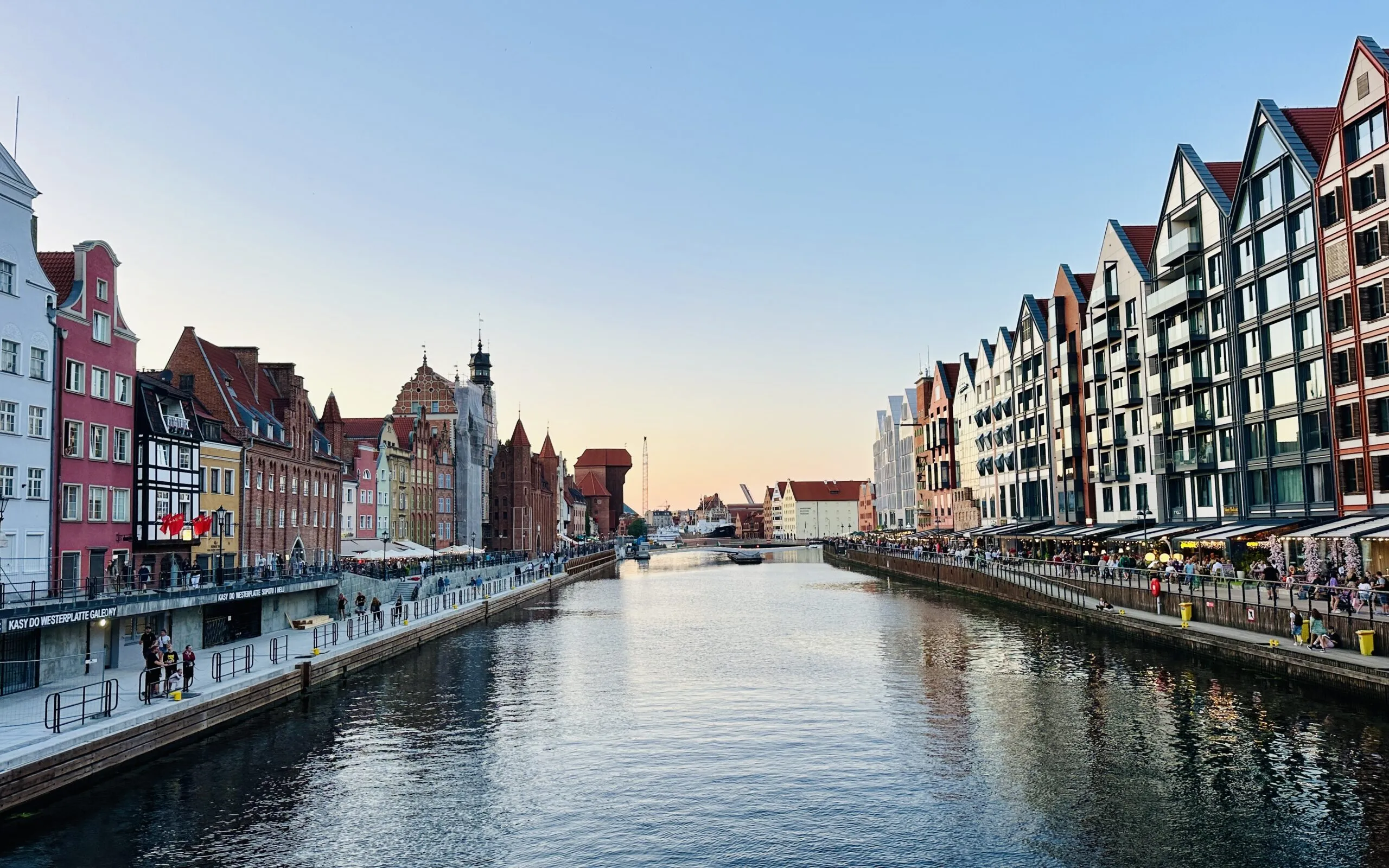
Looking down the river Motlawa as the sun sets
END