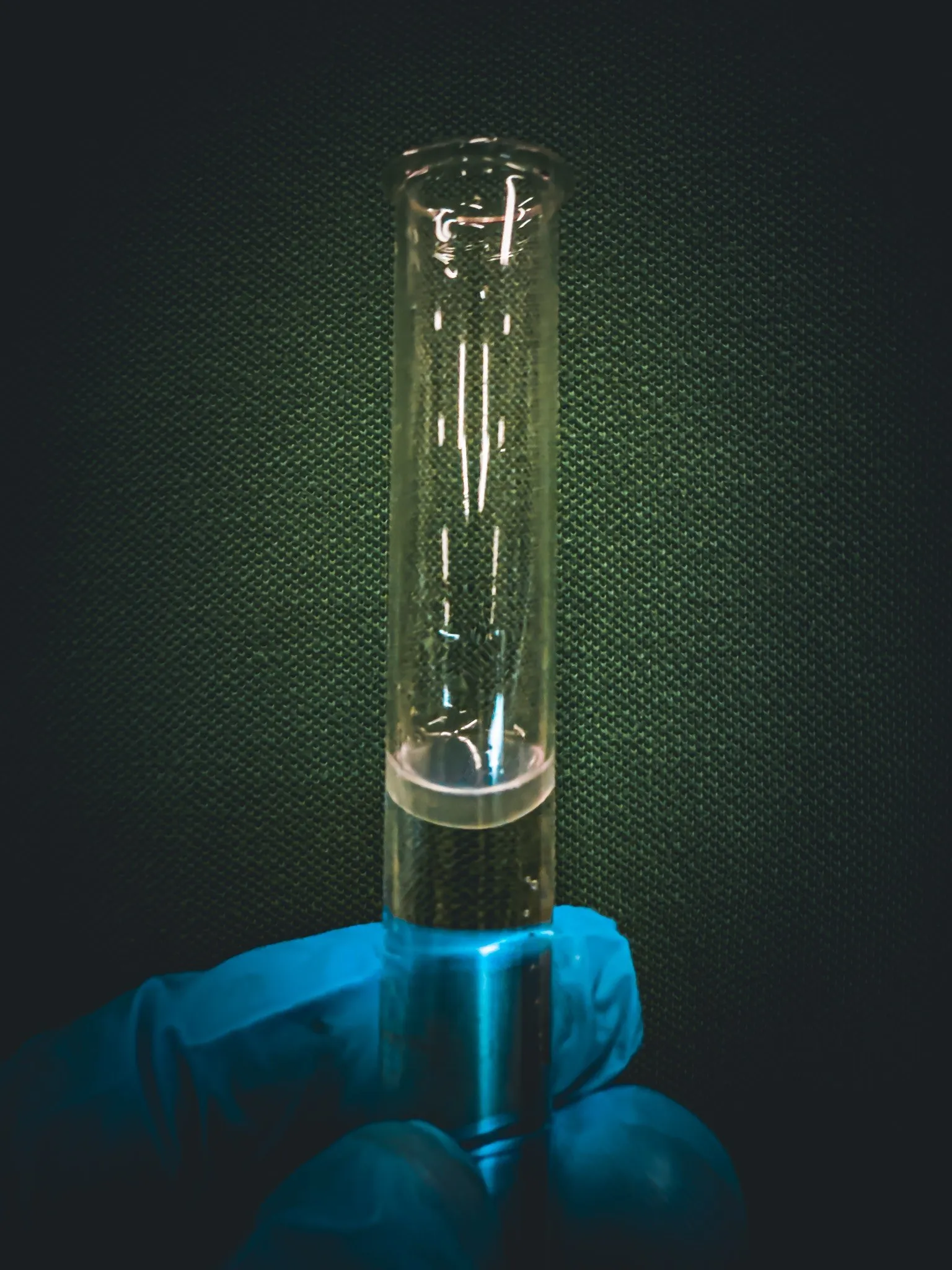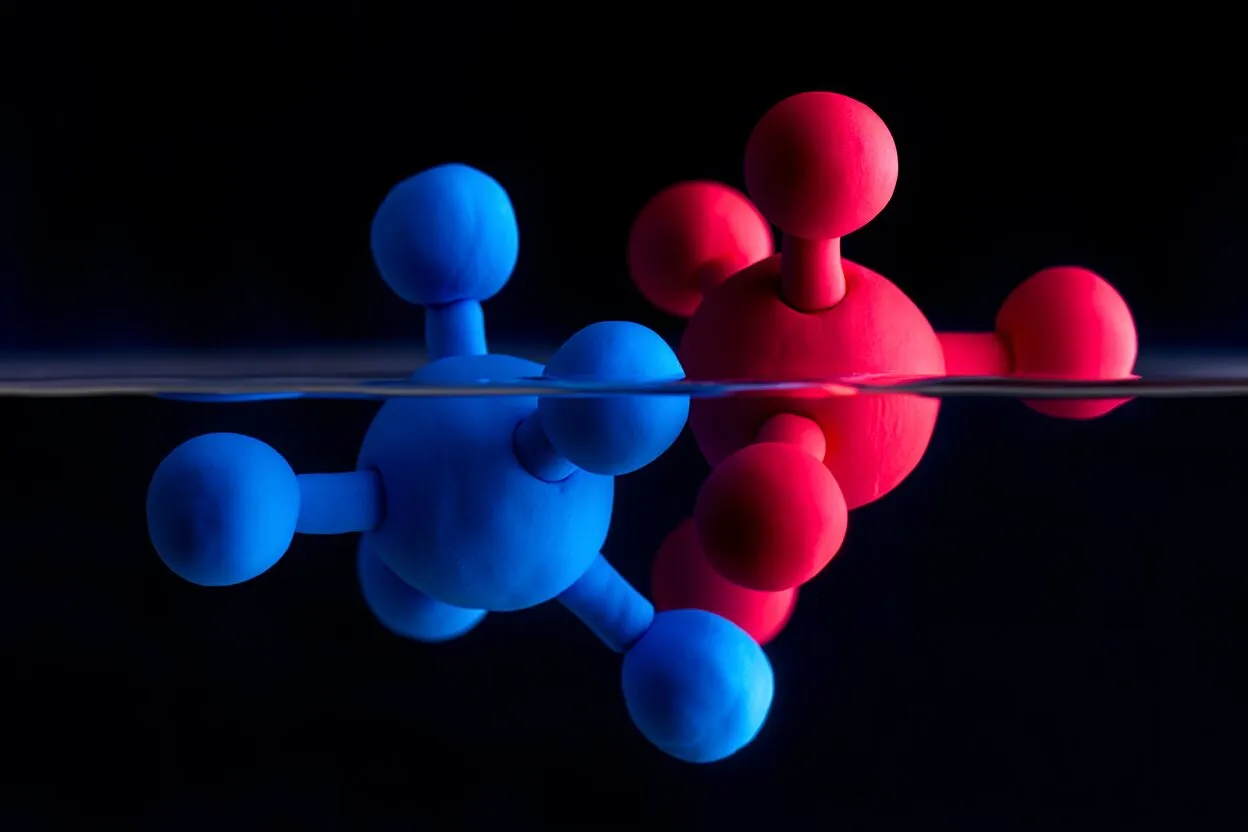
As part of a research project in collaboration with Queen’s University Belfast, select students in our school were given the opportunity to synthesise and analyse a novel protic room temperature ionic liquid (RTIL). The project’s goal was to first create the ionic liquid, triethylammonium hydrogen sulfate ([TEA][HSO₄]), and then demonstrate its viability as a greener catalyst for producing a biodegradable polyester, poly(ethylene succinate) (PES).
This article details the various processes our cohort undertook, from the initial synthesis of the ionic liquid to its final application in polymer chemistry.
Synthesis of the Protic Ionic Liquid ([TEA][HSO₄])#
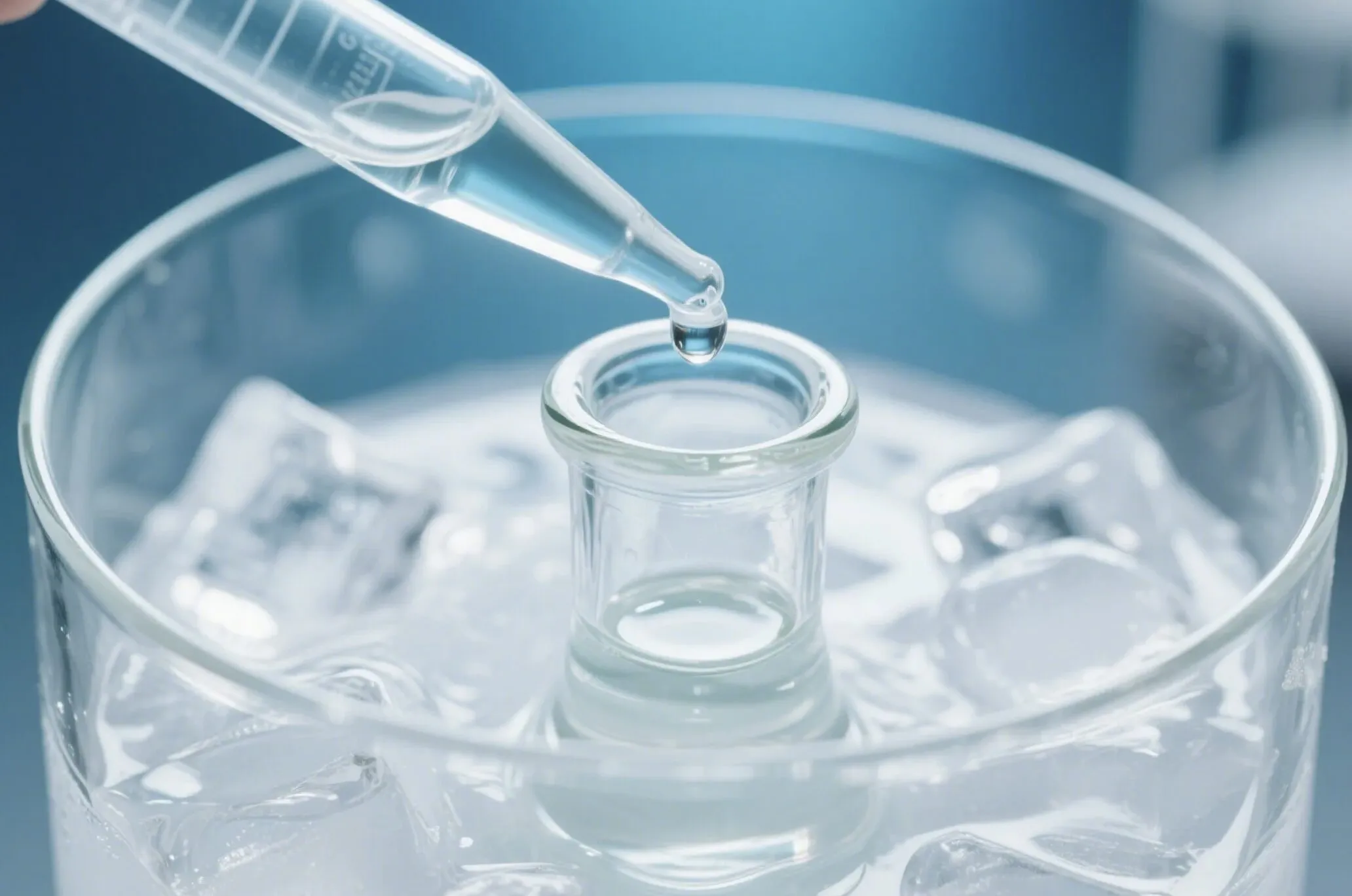
Synthesising the ionic liquid started with safety: the whole process was done in a fume hood. Triethylamine was placed into a small round-bottomed flask with a magnetic stirrer bar, then the flask was set in an ice bath to manage the heat generated during the reaction.
Concentrated sulfuric acid was then added dropwise to the chilled, rapidly stirring triethylamine. Adding it slowly was essential to control the exothermic reaction. Once added, the mixture was stirred in the ice bath for another hour.
After that, the ice bath was removed and the flask left to stir overnight at room temperature to complete the reaction. The next day, the resulting viscous ionic liquid was stoppered, labelled, and stored at room temperature, ready to use in the catalytic studies without further purification.
Confirming Catalytic Viability: Qualitative Esterification Test#

Before trying to make a polymer, we needed to confirm [TEA][HSO₄] could actually catalyse a reaction. We needed something that would only proceed with a catalyst present, while staying within what the school’s science department could actually run, so we went with an esterification of iso-amyl alcohol and ethanoic acid, which we could judge by smell. The human nose is a surprisingly good chemical detector (it can outperform specialised e-noses on some tasks, if not on raw ppm sensitivity), so it was a reasonable way to check whether the reaction had worked.
We prepared three test tubes. The first, a negative control with just the alcohol and acid, stayed colourless with no notable scent. The second, a positive control using concentrated sulfuric acid, turned yellow with a strong pear-drop smell, as expected from the ester, isoamyl acetate. The third, with our [TEA][HSO₄], also turned yellow and produced the same pear-drop smell, confirming the ionic liquid had catalysed the reaction. That gave us the confidence to move on to making a polymer.
From Monomers to Polymer: Synthesising Poly(ethylene succinate) with [TEA][HSO₄]#
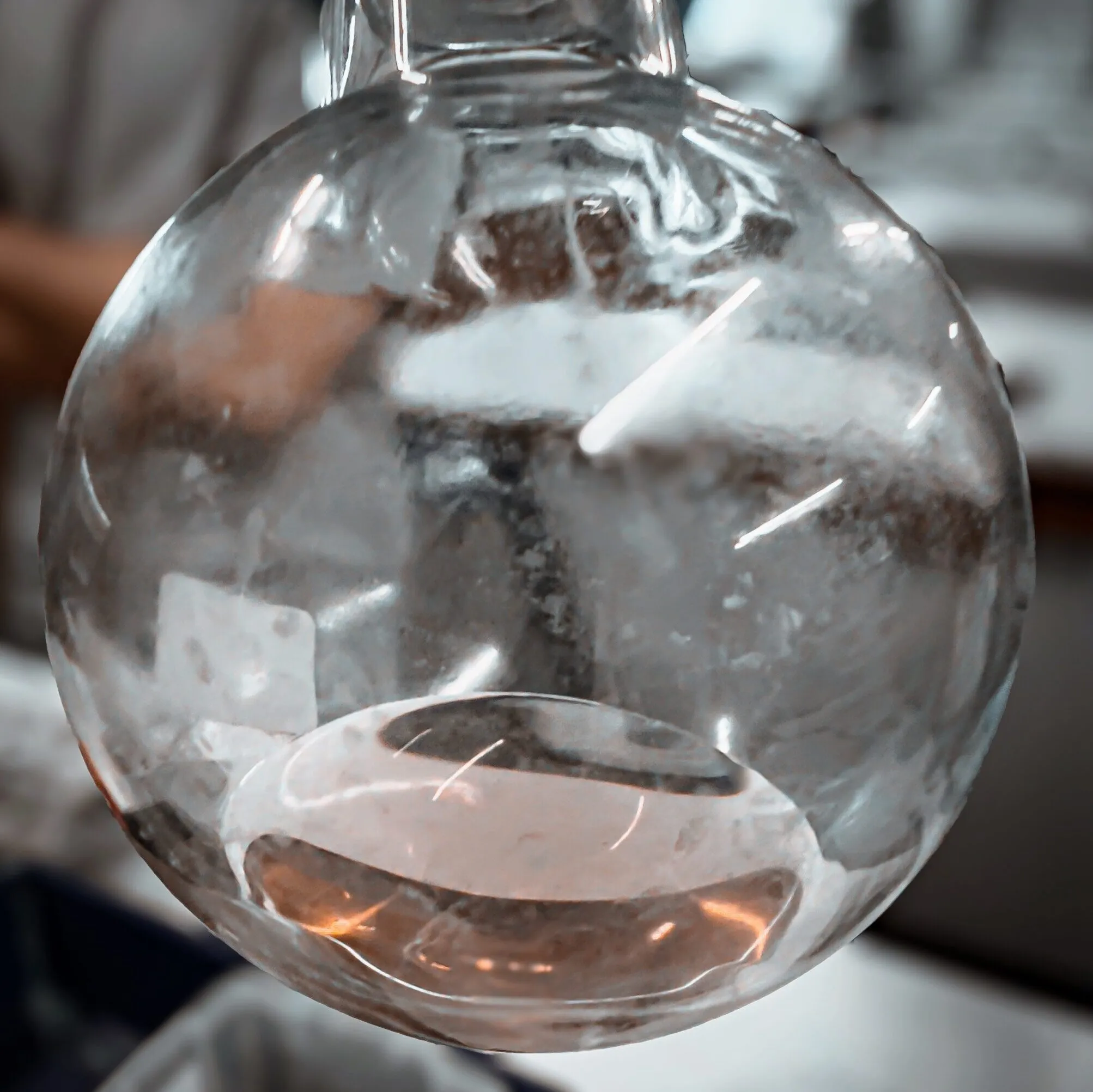
The ionic liquid that we would use for the polymerisation
Building on the successful catalytic test, we used our [TEA][HSO₄] to synthesise the biodegradable polymer poly(ethylene succinate) (PES). The monomers, succinic acid and ethane-1,2-diol, were combined with a catalytic amount (approx. 12 mol%) of our ionic liquid. The mixture was heated under reflux for one hour, during which all solids dissolved to form a clear, pale yellow, and slightly viscous liquid.
To encourage the formation of higher molecular weight polymer chains, the reaction was subjected to a second, longer reflux period. A drying tube containing silica gel was fitted to the condenser to remove water (a byproduct of the reaction) and drive the polymerisation forward. After four hours of this second reflux and subsequent cooling, a large amount of a flocculent white solid precipitated from the pale brown solution. This solid was the target poly(ethylene succinate), and its appearance confirmed that our RTIL had successfully facilitated the formation of long-chain polyester molecules.
Conclusion#
This covered a full research cycle, from synthesising a new catalyst to actually using it. We made the ionic liquid [TEA][HSO₄], confirmed it worked as a catalyst with the esterification test, and then used it to make the biodegradable polymer poly(ethylene succinate).
It’s a decent demonstration that protic ionic liquids could be a less corrosive, greener alternative to catalysts like sulfuric acid. And watching the polymer actually precipitate out at the end made the whole thing feel a lot more real than most of what we do in a normal chemistry lesson.